
Back to Blog

Apr 04, 2026
The Competitive Edge: Why Carbon Accounting is Non-Negotiable in 2026.
Carbon
The Strategic Importance of Carbon Accounting in 2026
Category: Sustainability / Carbon Solutions Target Audience: CEOs, Sustainability Officers, and Logistics Managers.
Introduction : In 2026, carbon accounting is no longer a sustainability exercise—it is a financial control system. For global supply chains, your carbon footprint is now a direct indicator of operational efficiency, cost structure, and long-term competitiveness. Businesses that understand and manage their emissions are not only more compliant—they are more efficient and resilient.
The Three Scopes of carbon Emissions
To manage what you measure, you must first understand where emissions originate:
• Scope 1: Direct emissions from vehicles and assets owned or controlled by your company.
• Scope 2: Indirect emissions from purchased electricity used in warehouses, offices, and facilities.
• Scope 3: The most critical—and often largest—category, covering emissions from third-party logistics, suppliers, and the full lifecycle of products. For most organisations, this represents the majority of total emissions.
Why It Matters for Your Bottom Line
1. Regulatory Compliance
Regulations are evolving rapidly across global markets, with governments increasingly requiring companies to measure, report, and reduce their carbon emissions. Even where compliance is not yet mandatory, the direction is clear. Businesses that act early and stay ahead of the curve will be better positioned to avoid disruption, reduce future costs, and maintain market access.
2. Investor Appeal
Environmental, Social, and Governance (ESG) performance is no longer optional. Investors and lenders are increasingly linking sustainability metrics to access to capital, risk assessment, and financing terms.
3. Cost Reduction & Operational Efficiency
Carbon intensity often highlights inefficiencies within supply chains—such as suboptimal routing, underutilised container space, and unnecessary transport movements. Reducing emissions frequently leads directly to lower fuel costs and improved logistics performance.
The Eco Sourcing Hub Advantage
At Eco Sourcing Hub, we go beyond reporting. We map and quantify your Scope 3 emissions across your entire supply chain—providing full visibility from origin to destination.
Our approach transforms carbon data into actionable insights, enabling you to reduce costs, improve operational efficiency, and stay ahead of regulatory and market expectations.


The financial world has pivoted. In 2026, access to credit and investment is increasingly tied to a company’...

The map of global trade has been redrawn. With shifting geopolitical alliances and new environmental regulatio...
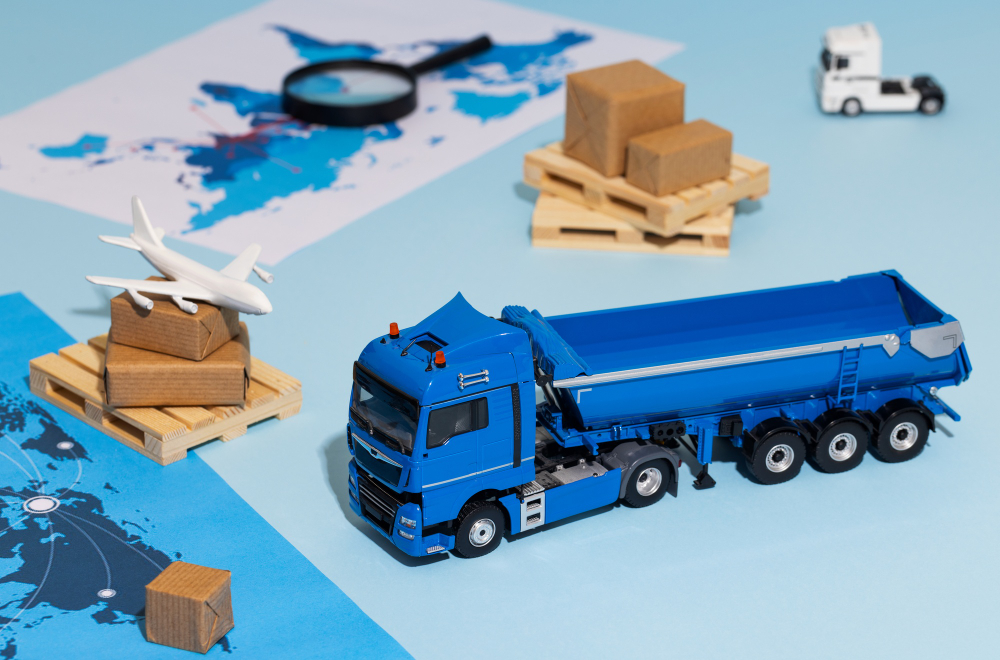
The traditional "Take-Make-Waste" model is officially obsolete. The Circular Economy focuses on keeping produc...

The "Digital Twin" of your supply chain is no longer a futuristic concept. In 2026, Artificial Intelligence (A...
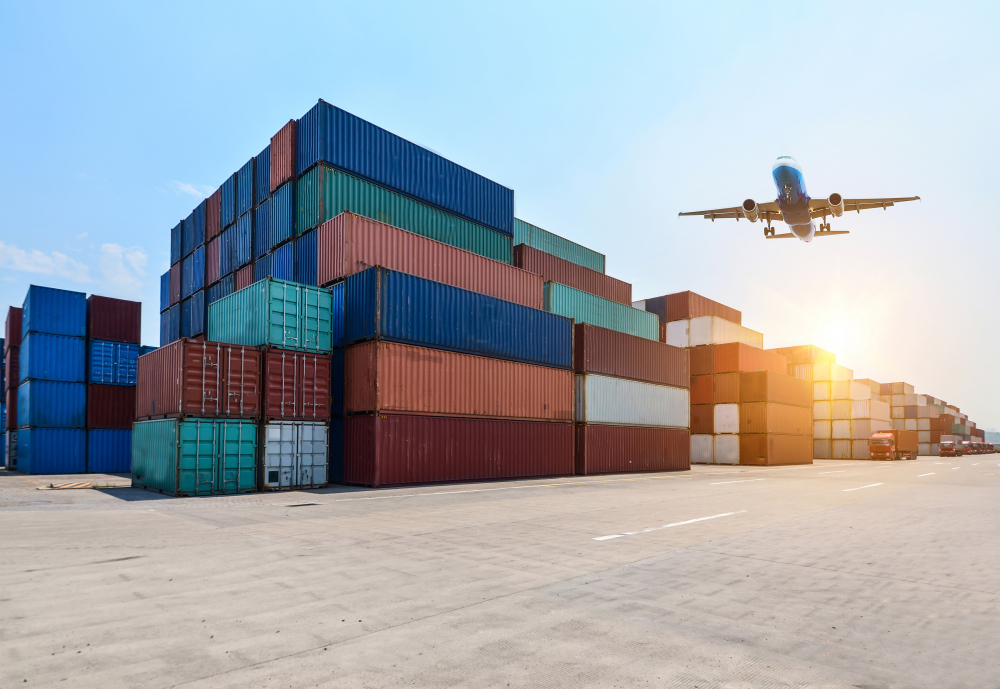
The classic dilemma: Do you need it tomorrow, or do you need it to be cost-effective? In 2026, a third factor ...

Going green doesn't have to happen overnight. For many companies, small, data-driven changes in the supply cha...
We prioritize responding to your inquiries promptly to ensure you receive timely assistance. Please click on any of our global offices on the map to view the full address and contact details.
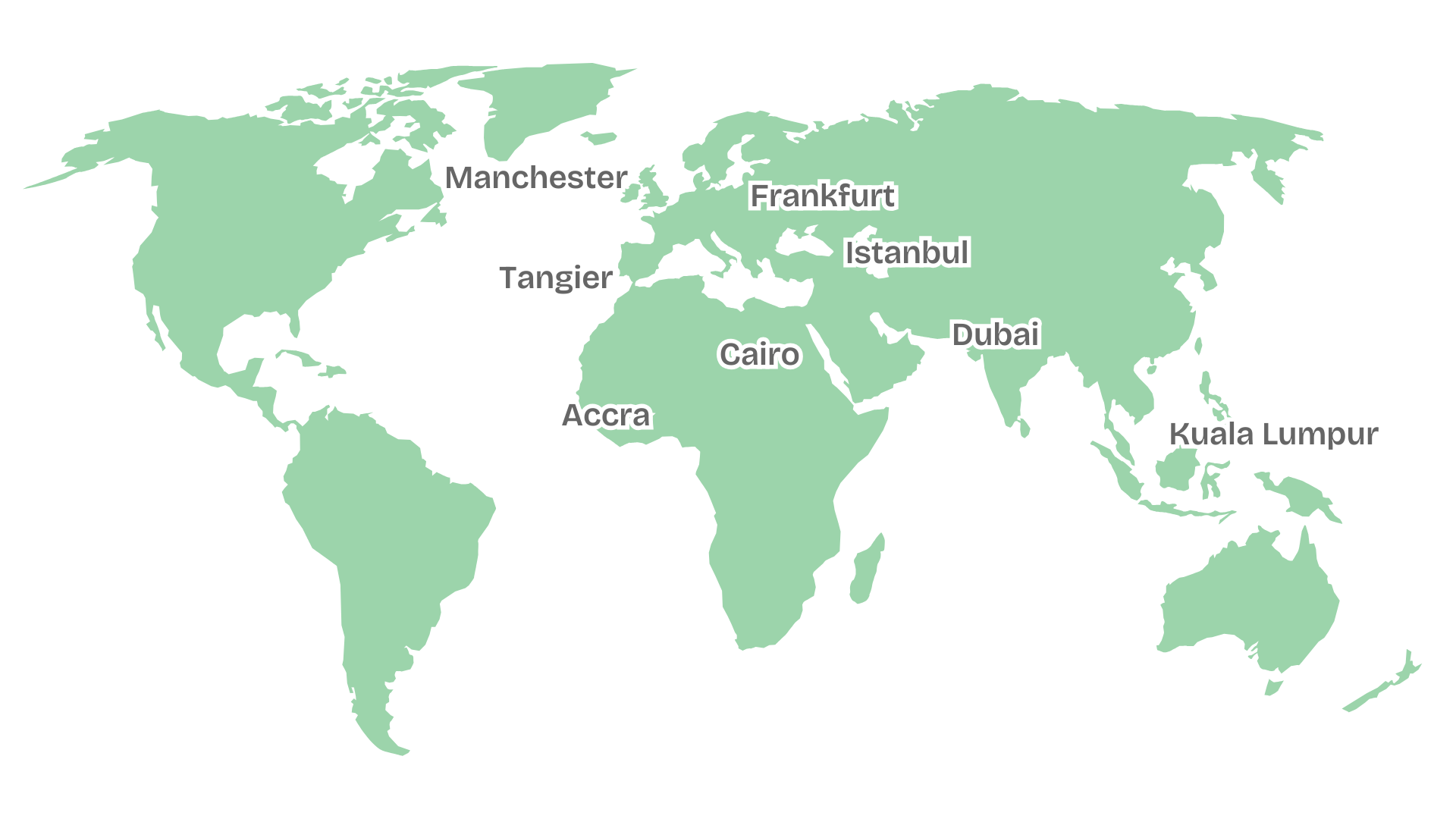
M333HG, United Kingdom.
Germany Office
Süleyman Seba Cad. No.6/4, Beşiktaş, Turkey.
2096-C District, Darnagul Settlement, Narimanov District, Baku AZ1108, Azerbaijan.
AV Yaakoub El Mansour 2, 3éme Étage N 6, Morocco.
Egypt Office
Dubai Investment Park Second, UAE.
13 Lagos Avenue, East Legon, Ghana.
South Africa Office
Contact info
We prioritize responding to your inquiries promptly to ensure you
receive the assistance you need in a timely manner